
Visiting Europe’s Christmas markets comes up on many people’s travel wish list. If you tell someone that you are visiting Europe over the festive season they are bound to ask about the markets. Some plan their whole trips around them or take a river cruise dedicated to Christmas Markets. But are they really worth travelling to?
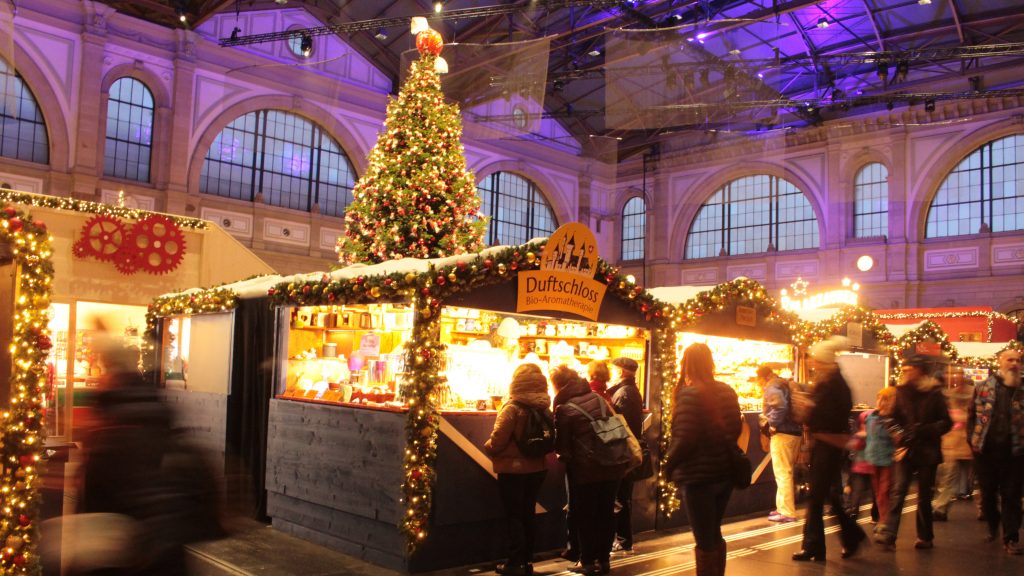
It is often stated that Christmas markets first started in Dresden in 1434 but there are reports of a December market in Vienna as early as 1298. These markets hold huge symbolic meaning to Germans and Austrians. Elsewhere in Europe the markets are a much more modern, some might say capitalist, inventions. One of the most successful Christmas markets, in Manchester UK, which gets 9 million visitors a year, has been running for just 27 years old.
Why are Christmas markets so popular?
There is something incredibly nostalgic about a Christmas market. The traditional wooden chalets crowded around a Christmas tree, with the vendors wrapped up warm against the cold. The braziers burning and the smell of roasting chestnuts and mulled wine in the air add to the, somewhat romantic, feel. There is definitely somewhat of a Christmas hallmark effect, especially in the traditional markets in northern and eastern Europe.
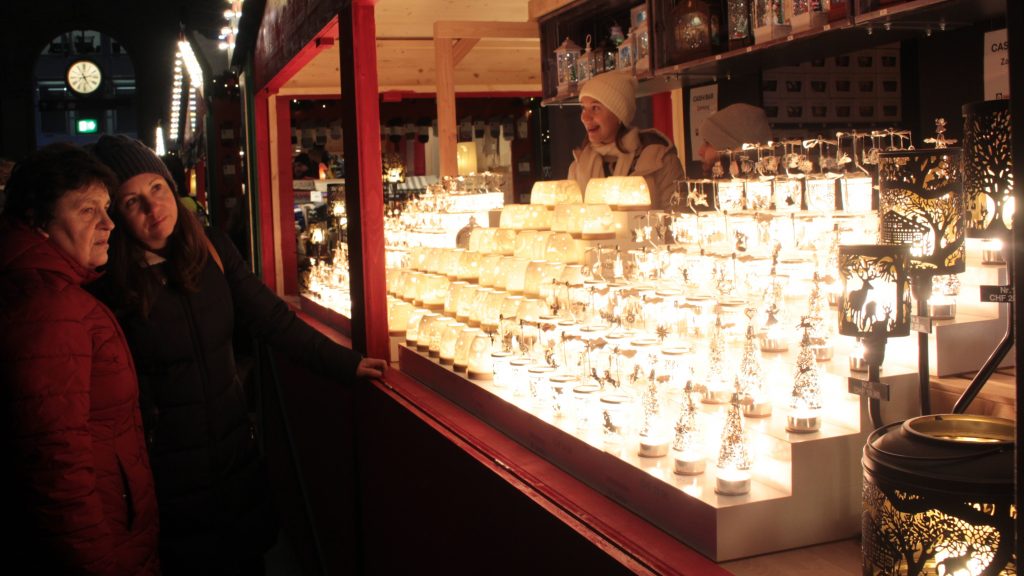
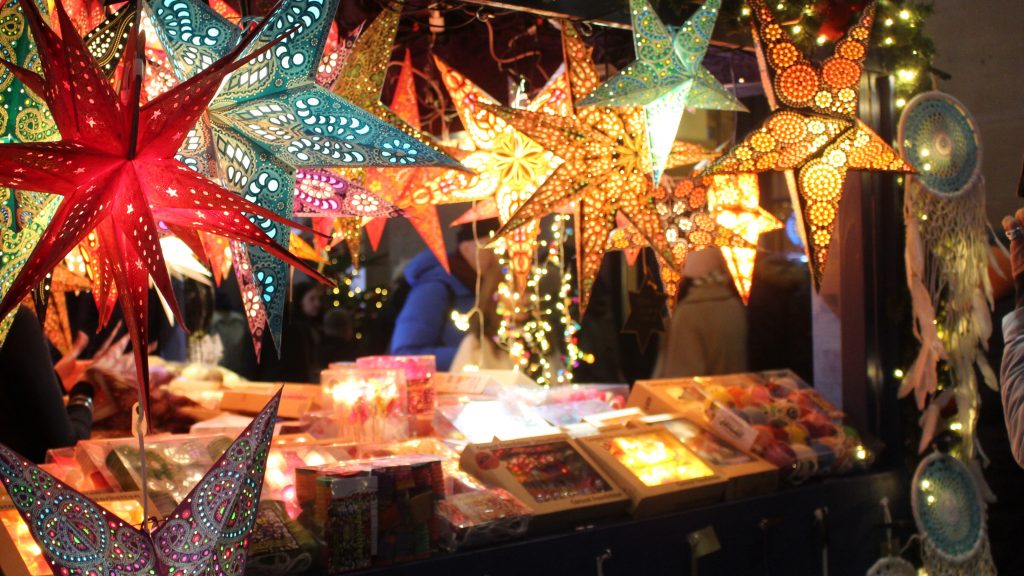
As a shopping experience, Christmas markets are the antithesis of the modern mall. There are no chain stores, instead they are replaced by artisans and small businesses. Some markets strictly control this. Nuremburg for example requires vendors to sell local and handmade goods. And by local they mean Bavaria, even goods made elsewhere in Germany are not allowed. Similarly, Strasbourg prioritizes stalls that offer good and foodstuffs made in Alsace.
Towns like Strasbourg can afford to be picky. The waiting list for a stand is 150 names long and, as there are only 7 new stands this year, the wait risks being a long one.
This emphasis on quality, and on local produce, is one of the reasons the markets are ever popular. They represent something altogether more real, more human, than ordering something from the internet and having it delivered to your house. In this day of globalisation and with the supremacy of sites such as Amazon and Shein, buying direct from a local craftsman is more than just a commercial gesture, it holds meaning.
Add to that the magic of Christmas, especially as daylight fades and the lights come on and you get a feeling of well being. A feeling that, even though the world seems to be changing at a speed none of us can comprehend, some things don’t change. People still drink mulled wine, with friends, under the shadow of a Christmas tree.
From local tradition to global tourism magnet
With all this talk of tradition and romanticism, let’s not pretend that the cities put on Christmas markets just to make people feel good. The economic incentives are enormous and are increasing year on year. The city of Strasbourg alone reportedly benefits 250M€ from its Christmas market and the additional tourists it attracts. Cologne gets 4M visitors during the Christmas market period, with an economic benefit of hundreds of millions of Euros. Manchester reports an astonishing 9 million visitors a year to its market, generating significant economic benefits for the city.
Smaller markets report impressive numbers too. Even the 2 themed markets (see below) in my department of the Vendée in France, which are practically unknown outside of the department, report 130000 visitors over just the 5 days they are open.

Cities, particularly in the UK, have realised that there is money to be gained, which probably explains the explosion in numbers. In 2007 there were just 30 reported markets in the UK, by 2017 that number was 100 and now numbers over 150. Bath has taken full advantage of this, and its market generated over £60M for the city last year.
Where are the best Christmas Markets in Europe?
To some extent recommending the best market depends on what you are looking for, so I’ve broken it down into 5 categories:
- Best Christmas market for Atmosphere and history.
There are 3 main contenders. Dresden, for its history, it being one of the oldest continuous Christmas markets in Europe. Vienna for its grandeur, with the illuminated Wiener Rathaus as its backdrop. Colmar for the fairytale with five different markets connected by illuminated pathways, set among half-timbered houses.
For Atmosphere Colmar, with its gingerbread style houses, wins.
- Best Christmas market for food
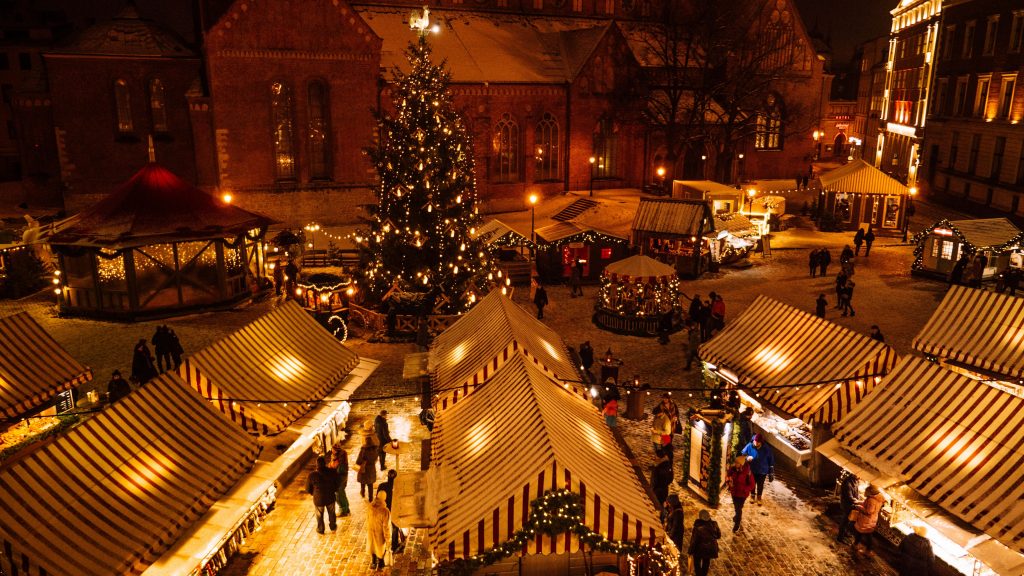
Food is the major component for many Christmas markets in Europe. Nuremberg wins here for the Nürnberger Rostbratwurst, a sausage so good it has protected status. Special mention goes to Riga for it’s choice of Baltic comfort food.
- Best Christmas market for authentic crafts and gifts
Basel, Switzerland’s largest Christmas market, for its attention to detail and quality. Special mention goes to Nuremberg for its craft mandate ensuring that only traditional, handcrafted Christmas goods are allowed to be sold, guaranteeing authenticity.
- Best hidden gem Christmas market
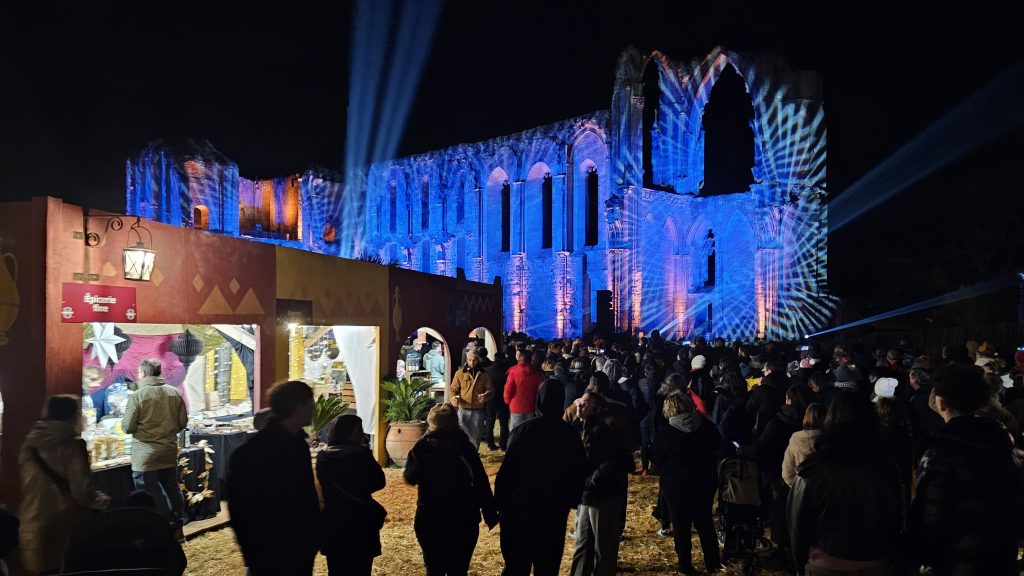
For me the prize has to go to Maillezais in the Vendée France for its original, oriental themed, market in the grounds of a ruined abbey. With a special mention for the Market in the castle of Tiffauges, also in the Vendée, a more traditional market with a stunning medieval back drop. Neither of these markets are on the international tourist radar, but both merit the detour.
- Best Christmas market for families
The Christmas market in Copenhagen, held inside the Tivoli Gardens amusement park wins the prize here, offering a unique blend of rides and stalls.
Best way to visit Christmas markets in Europe
River cruises are becoming a more and more popular way to visit the Christmas markets, either on the Rhine, covering the markets of Basel, Strasbourg, Cologne amongst others, or on the Danube for the Markets in Budapest. Some people really enjoy them, and the ease of travel that they offer. They do have their downside though. The obvious one being that you can only visit markets in towns that are on the rivers, meaning some great markets such as Nuremberg are not accessible. The other being that the evening meal is provided on the boat. Given that food is a major draw at Christmas markets and that the ambience in the evening is far more festive than during the day this seems to be quite a major drawback. It also places the emphasis firmly on the Christmas markets rather than the other fabulous things there are to see in European cities.
Another option, and one I think is preferable, is to visit by train. Train travel is a quick and easy way to travel between cities in Europe, and a train trip would allow you to spend two or three days in a city before moving on which is far preferable. River cruises are not a cheap option so a train journey can offer better value for money whilst enabling you to experience the food on offer at the markets. It also gives more scope to mix with the locals rather than just the other passengers on the ships.
A third option is a road trip. This is a good option if you want to visit some of the smaller markets, such as those in the Vendée, which aren’t accessible by rail. It should be noted that parking can be a problem, even at the smaller markets. If you do drive, I would recommend taking advantage of any park and ride schemes available in the larger European cities.
Are Christmas markets safe?
The deadly attacks that took place at a Christmas market in Berlin in 2016 and again in Magdeburg last year puts into question the safety of the Christmas markets. Unfortunately, any even that draws such large numbers has to be considered a target. Most markets (certainly all the ones I am seen, but I hesitate to say every market as I can’t be sure) have put serious measures in place to stop such tragic events happening in the future. Concrete blocks and other barriers prevent vehicles getting close to the market areas and bag checks are routine.
Food safety is also taken seriously; all the standard European hygiene regulations are implemented at the food stalls and check are regularly carried out.
Are Christmas markets worth it?
A visit to a Christmas market in Europe makes for an enjoyable and memorable inclusion to any December visit to Europe. The products you find there are not easily found elsewhere, and the traditions, shows and music that go along with the markets are both enjoyable and memorable. However, I wouldn’t recommend a trip to Europe that focuses solely on Christmas markets. While each market offers different locally produced products and food stuffs there is still a sameness to them. All the markets have glühwein (or mulled wine) stands. Almost all the markets serve sausages of one kind or another, and there are only so many independent jewellery stands you can look at without wanting a change. The Christmas markets, whilst offering a spectacle, remain a retail experience. And as such I think are best enjoyed sparingly.
A trip that included two or three Christmas markets whilst mixing in other cultural activities and food experiences, is to my mind far more enjoyable. One with a different Christmas market each day risks Christmas burnout after day three.