
February isn’t the most promising month in Europe. It is often grey, damp and cold. But that doesn’t mean it is boring. As well as the promise of romance on Valentine’s Day (see relevant post of ideas of where to go) it is also carnival time.
The traditional of Carnival started with the Catholic church. Carne Vale means farewell to meat, and carnival is the celebration just before the period of lent. (Similarly, Mardi-gras means Fat Tuesday, the day before lent starts so the day any fatty food left oven needed to be eaten)
Best known in Venice, where masked balls have taken place since the 12th century, carnival spread throughout the Catholic countries of Europe. But what began as a catholic marker has now become a more cultural tradition, separate from the church. Often linked with the more Latin countries, it is also very prevalent in parts of Germany, Switzerland and Belgium. Cologne hosts one of the most significant carnivals in Europe. However, I like a bit of spice in my Carnival so I am suggesting Spain.
February is prime ski season, many schools take a break around this time to take advantage of the winter sports, which means prices go up accordingly, but there are still some affordable ski spots to be had, notably in Poland.
If you prefer to escape the cold weather, then Malta is a great option for a bit of winter sun. It isn’t warm enough for the beach or swimming, but it’s very pleasant for sightseeing or just sitting watching the world go by.
Sitges in February
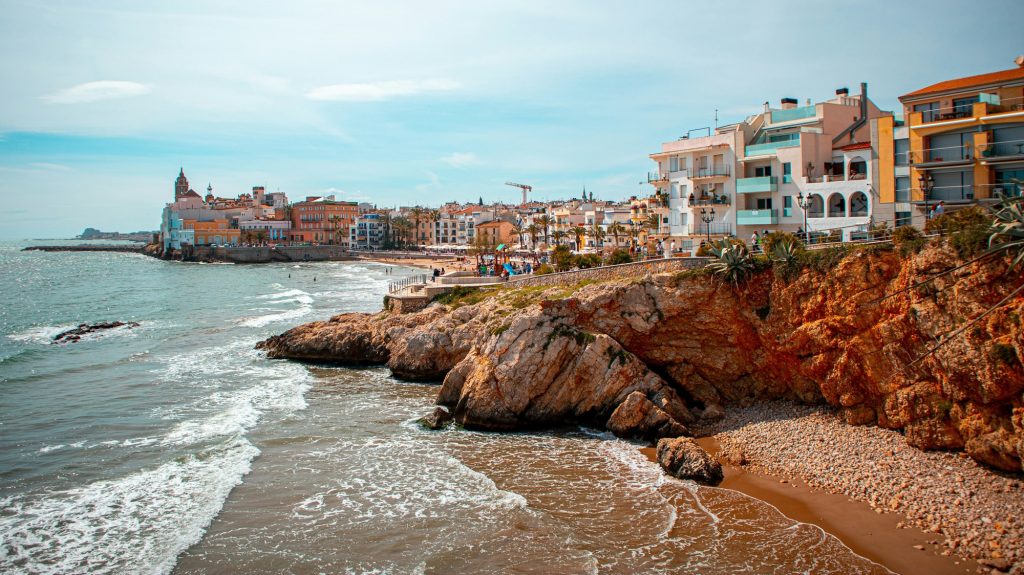
Sitges is a small coastal town, just South of Barcelona on the Mediterranean coast. Sitges Carnival is one of the liveliest in Spain, and far less formal that those found in cities such as Venice or Nice. The parades are bold and playful which match the mood of this town with its reputation for openness and flamboyance. Often referred to as the Gay Carnival, it is in-fact a city wide, inclusive, celebration with a mix of locals, families and international visitors.
Rather than just one day the Sitges Carnival takes place over a week two main parades on Sunday 15th 2026 and Tuesday 17th 2026. The are hedonistic parties with outlandish costumes and a lot of feather boas.
As well as the parade there is also the famous Carrera De Camas Disfrazadas, or bed race. Part race, part fancy dress competition this is a fun, frenetic and down-to-earth event, a long way from the careful crafted enormous floats of the main parades.
Outside of the Carnival, Sitges itself is a nice place to visit, with a small historic centre, long, sandy beaches, and numerous bars and restaurants. It is just 40 minutes by train from Barcelona but feels far more local and intimate.
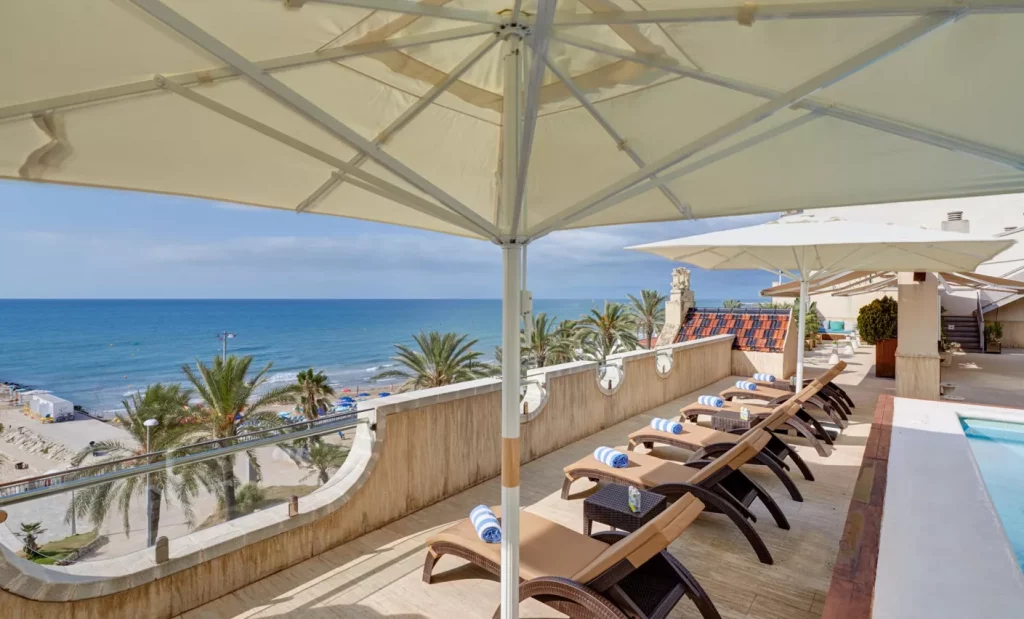
My choice of hotel is the 4* Sercotel Kalma Sitges, on the sea front just on the edge of the old town, it is the perfect spot to watch the parade from the rooftop terrace. Rooms for the Carnival period start at 115€
Zakopane in February
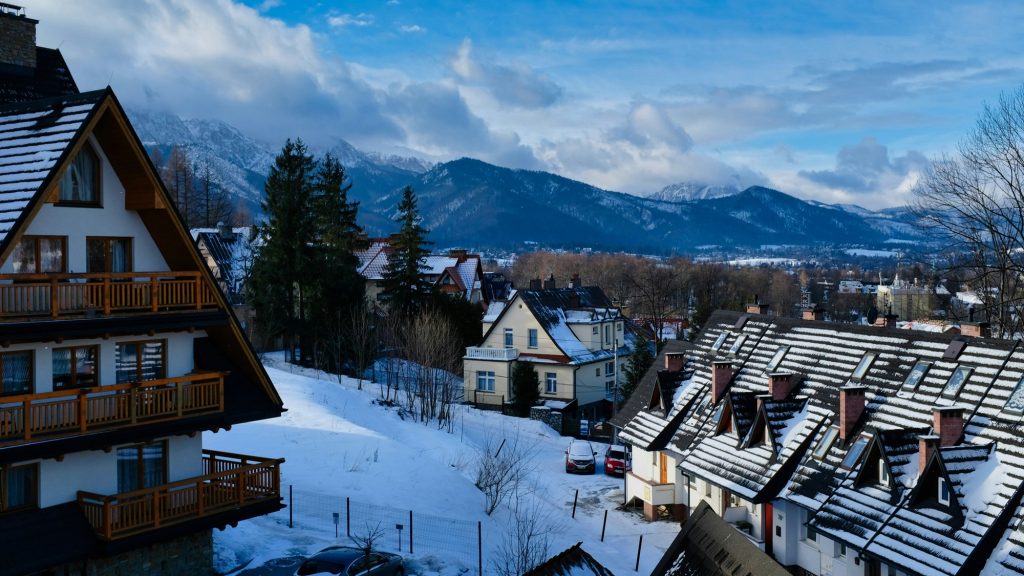
Poland is not necessarily the first place that come to mind for winter sports, but it is one of the most affordable places to ski in Europe. Zakopane is a mountain town in southern Poland, at the foot of the Tata Mountains. It is not far from the boarder with Slovakia. Often described as the winter capital of Poland, this is a mountain town with a strong Polish identity, rather than the polished international resorts that can be found in the Alps.
Skiing is spread over several areas rather than one station and is good moderate skiing rather than extreme black runs or off piste. It is particularly favoured for those who like to ski with families. Ski passes are significantly cheaper than can be found elsewhere with a weekly multi area pass coming in at around 900 PLN (Poland does not use the Euro, 1 Polish złoty = about 0.24€ so one week’s skiing is around 200€)
As well as skiing Zakopane is known for it’s thermal baths (if you’ve read this article, you will know this is my new obsession when travelling) in town there is the very family friendly Termy Zakopianskie and about 30 minutes form Zakopane is the largest Thermal baths in Poland, Chocolowksie Termy.
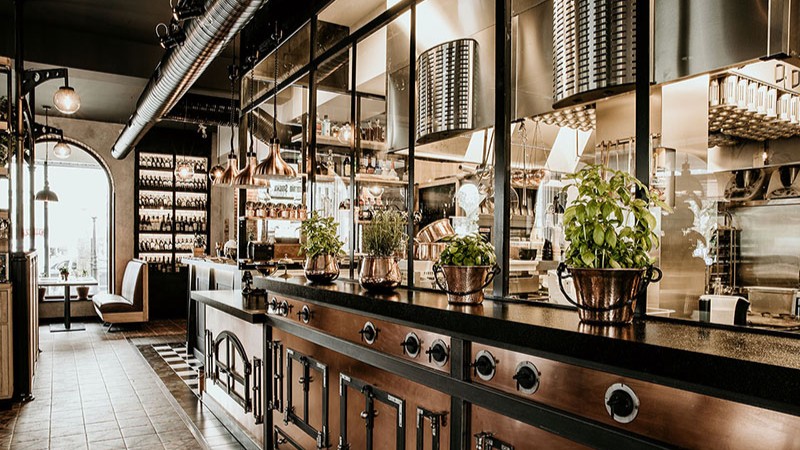
Whilst the gastronomy of the region favours the hearty mountain fare, more refined dinging is available, notably at Drukarnia Smaku Cristina. Housed in an old printing works, the décor mikes industrial elements with a contemporary mountain design. Inspired by the slow food movement, the food is a mix of Polish and modern European. Plates retain some of the hearty feel that is necessary after a day’s skiing, and you won’t leave hungry.
My recommendation for a hotel in Zakopane is Villa Biała Owca. Somewhat out of the hustle and bustle of the town it sits at the entrance to the Straczynski valley, with views of the Tatra mountains. Named for the white sheep that graze the meadow opposite. This is a small boutique hotel with just 11 rooms, many with mountain views. There are hiking routes right outside the door making this a great choice for lovers of the outdoor. Note the hotel does not have a lift so check before booking if accessibility is a problem.
Valetta in February
The churches and baroque palaces of Valetta have barely changed since they were built 450 years ago by the Knights of St John. Unlike many old cities in Europe, Valetta was planned. Following the siege of Malta, the Knights decided to build a fortified city. As the knights were an international elite Valetta started life as a cosmopolitan city. (you can read more about the history of the Knights of St John here). The whole city is now a UNESCO heritage site.
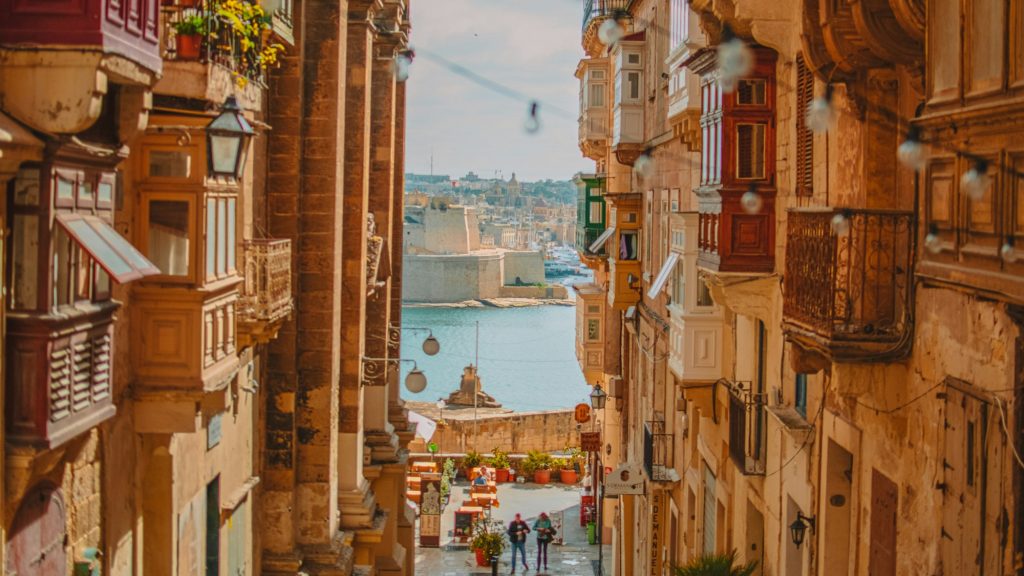
Temperatures tend to be around 12-15°C (56-59°F) which is obviously not sunbathing weather but is very pleasant for walking around and exploring. The official currency is the Euro, and while the national language is Maltese, English is widely spoken and is used in government, education and law.
Malta was under British rule from 1800 until it gained independence in 1964, and signs of this can still be seen across the city, particularly in the prevalence of telephone boxes, they are somewhat more common than they are in the UK.
Valetta doesn’t shut down for winter, but it does get quieter and the hotels become more affordable. There is plenty to see for those who like art and culture, from the lavish interior of the St John’s Cathedral, which is also home to the only signed painting by Caravaggio, to the contemporary arts museum MUZA. The compact city is ideal for wandering, and the fortifications and baroque streetscape make it feel like a museum.
If you are looking for authentic Maltese cuisine, then look no further than Rubino. This is a traditional restaurant in an old building that has been awarded a Michelin Bib Gourmand for 6 consecutive years, which is no mean feat for a traditional restaurant. The menu is reasonably priced and the wine list extensive.
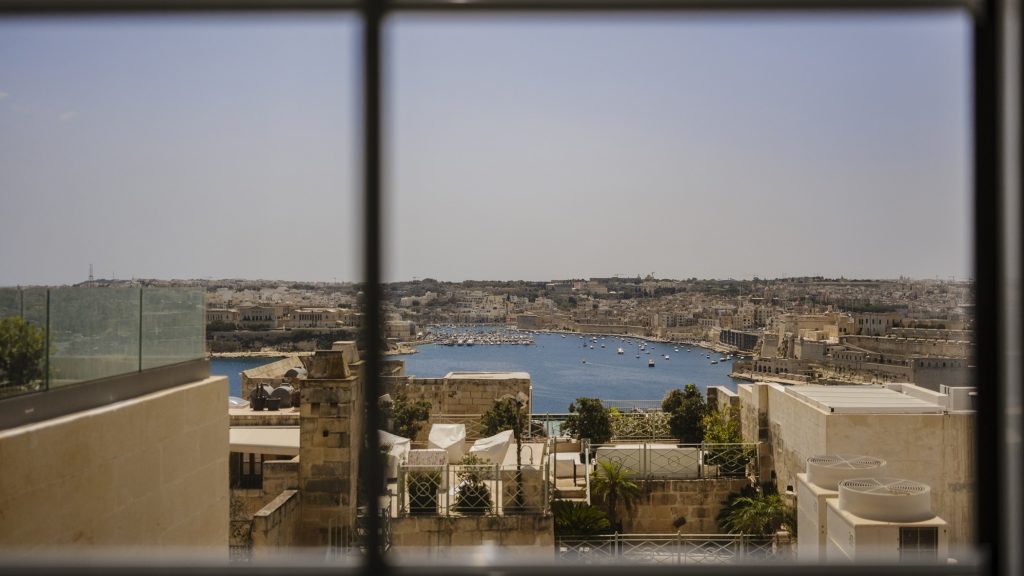
My hotel recommendation is the 4* Palazzo Ignazio housed in a restored noble townhouse. A very good friend of mine stayed here recently and raved about the impeccable service. This is an intimate scale hotel for visitors who prefer character over grandeur. Rooms in February start from 120€.
Where to go in Europe in February
So, there you have three different choices for where to go in Europe in February. They are very different options, with different motivations depending on whether you want winter sports, winter sun, or just some fun. If you have some other suggestions as to where you think is best in Europe in February let me know in the comments.
If you are planning your first trip to Europe then make sure your read How to plan a trip to Europe: the 3 essential first steps

If you need help with planning your trip then check out our services

If you have any questions about travel itineraries in Europe then drop us a line.  We are happy to help.

If you want more tips and ideas for visiting Europe then FOLLOW ME ON INSTAGRAM