
When we travelled as a family, with our 3 children, a hotel breakfast was an absolute luxury. The girls would revel in the idea that they could get pancakes or waffles and put as much Nutella on it as they liked. And we would mainline the coffee and fresh orange juice and be happy we hadn’t needed a whole debate about where and what to eat before we sat down.
Cost didn’t really come into it. If we were staying in an apartment or on a campsite then we would make do with some brioche, or cereal, but if we were in a hotel breakfast was non-negotiable.
Now that they have grown up and left home and only occasionally join us on trips the convenience is less important, and I find myself looking more at the value of the breakfast itself.
Breakfast in a European hotel can cost anything from 0€ (included in the room rate) up to 35€ and more. The most extreme I have seen is for the Ritz in Paris that charges 72€. The average sits at around 12-15€ per person.
When travelling alone I am happy to skip breakfast in the traditional sense, as long I can have a coffee or two before leaving the hotel, and then stop at a café when I feel like a break. This allows me to get on with the day, once I am up and dressed I want to get out and see whatever city or region I am in. And generally I can pick up a coffee and some sort of pastry for far less than 15€. Added to that the café allows me to soak up some local life and experience more of a city than the heavily sanitised hotel interiors. The pastries are usually fresh from a local baker and the coffee strong.
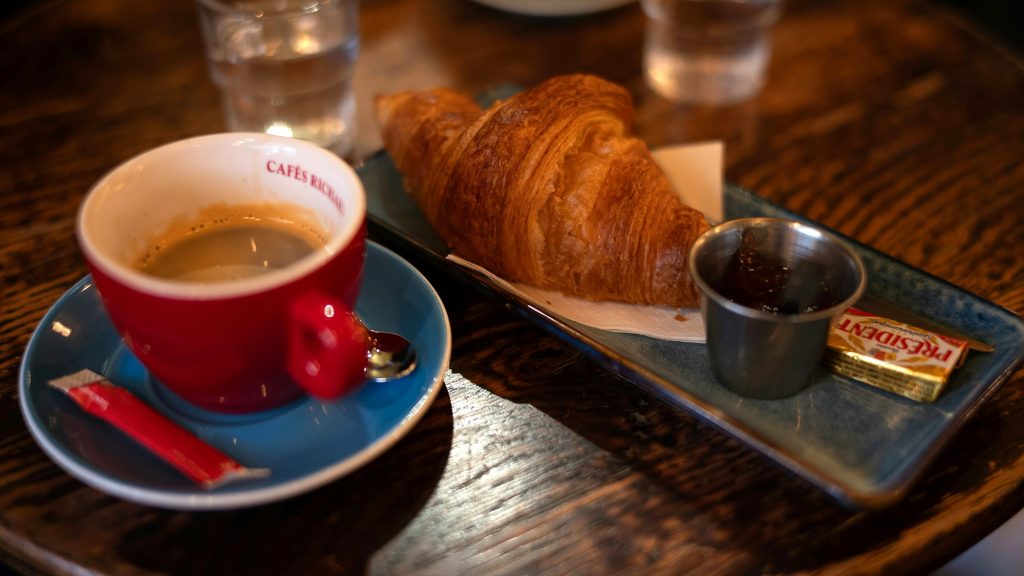
And yet the draw of the hotel buffet is strong, especially if fresh fruit or freshly squeezed fruit juice is available, which is more difficult to get at a local café.
Is a European hotel breakfast different from elsewhere in the world?
For the most part, outside of the resorts, European breakfasts are more restrained than you might find elsewhere. You are unlikely to find a southeast Asian style breakfast buffets with a huge range of fresh, local and international produce and multiple stations. You will also find the cooked part of breakfast to be surprisingly small, or even non existant. The exception to this is in the UK and Ireland which I’ll talk about later.
Large resorts catering to an international clientele are far more likely to have a big spread with lots of choice. But, of course, if you are at a resort it is not so easy to just walk out and have breakfast in a café, and you are perhaps less likely to have a busy schedule of sightseeing.
Sometimes what you are offered for breakfast is based more on the type of customer the hotel normally sees, rather than the country itself. An example of this might be a hotel in Majorca with a large German clientele where breakfast is more Germanic than Spanish, or a hotel on the Costa del Sol with mainly British customers might offer a fry-up.
What to expect at breakfast in different countries in Europe
Some things are surprisingly consistent across Europe, at least where hotel breakfasts are concerned. There is almost always bread, yoghurt, fruit, fresh or canned, and a small selection of cereals and muesli. Do not expect an American-style wall of sugary cereal boxes, nor a huge pile of waffles and pancakes.
In France breakfast is largely bread based, you will usually find fresh baguette as well as viennoiseries (croissants and pain au chocolate). The bread is nearly always from a local boulangerie, but, depending on the hotel, you may find the croissants are the smaller variety that the hotel buys in frozen and re-heats. You will not always find a toaster.
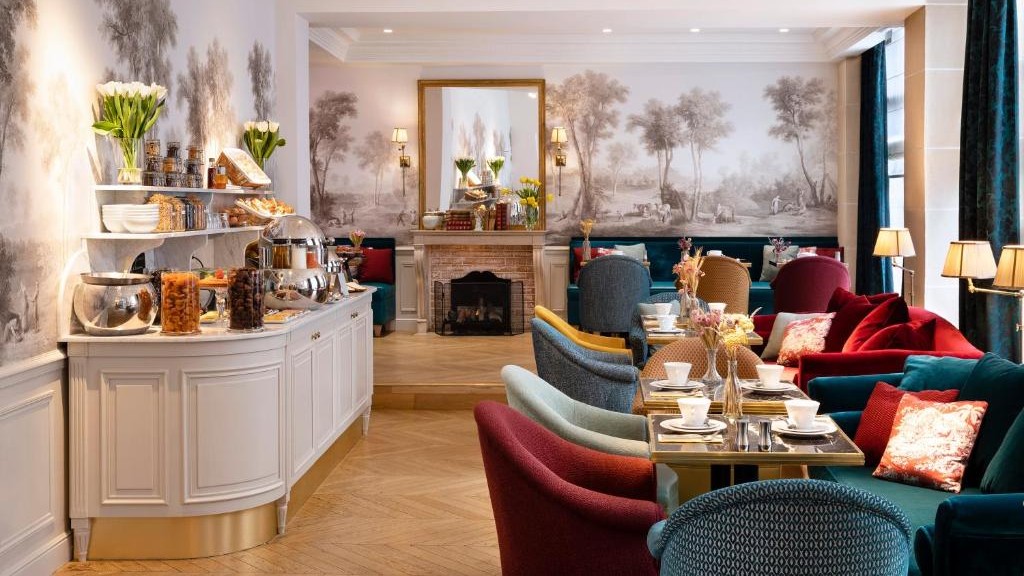
In Italy breakfasts are surprisingly sweet, with cakes, biscuits, pastries and cornetto (an Italian croissant. In one hotel the previous night’s Cannoli were served, with absolutely no complaints from me.
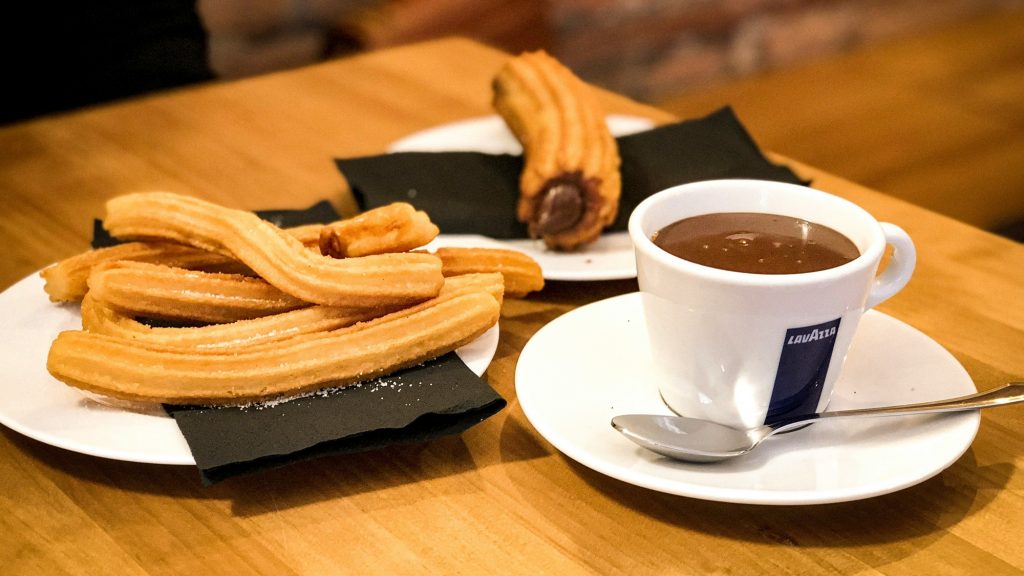
Breakfast is not a big thing in Spain, perhaps because the evening meal is so late. If you are lucky you might find tortillas on a hotel buffet. One thing I haven’t seen in hotels, but is common in cafés is Churros for breakfast, and in Madrid the even yummier Porras. Dipped into the rich thick hot chocolate they are usually served with.
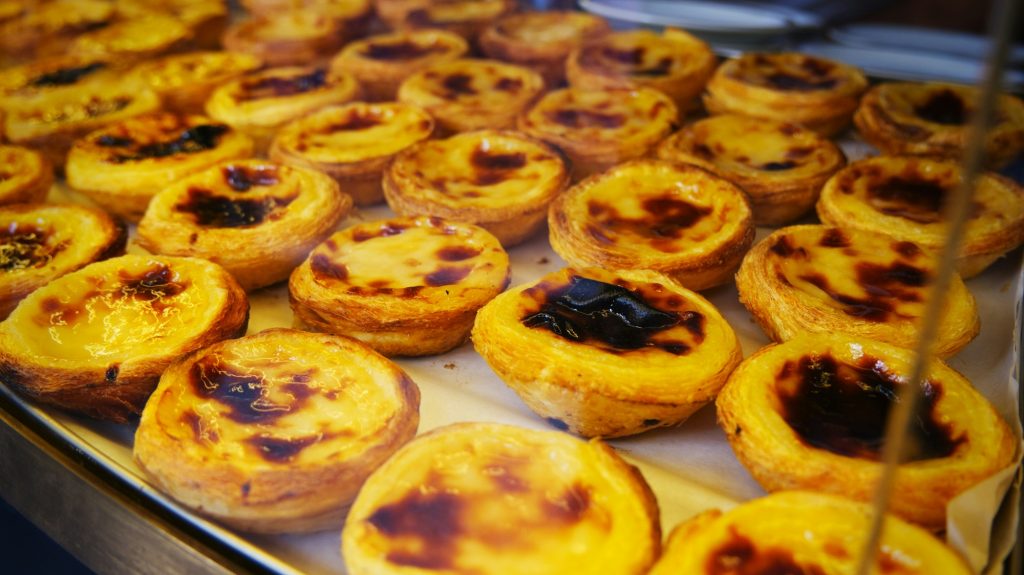
In Portugal bread and pastry are the main order of the day. In my mind Pastéis de Nata make the perfect breakfast when in Portugal, they are after all eggs and pastry. Whilst you will find them on a good hotel breakfast buffet they will rarely be as good as you can get at a specialist Pastelaria. The Portuguese would more normally eat one (and only one, they have more restraint than me) mid-morning with an espresso.
Breakfast in Germany and Austria feels more like a cold lunch, with cold cuts, cheese, pickles and boiled eggs. It is decidedly savoury. Hotel breakfasts in Switzerland are similar, but more upscale with smoked salmon and muesli figuring highly (not together).
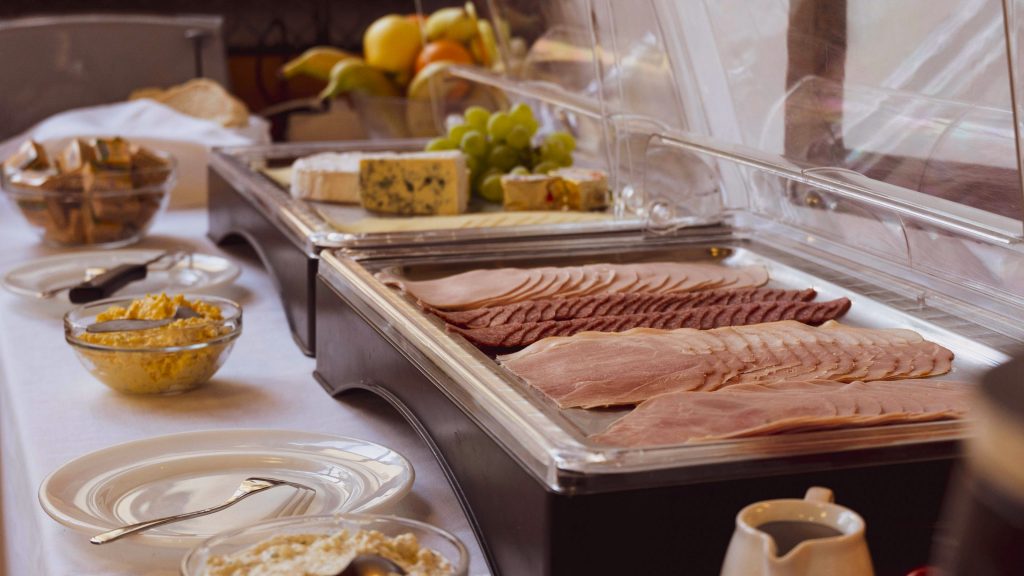
In Scandinavia you can expect to see rye and crisp breads and a surprising amount of fish, salmon and herring are common.
Many hotels across Europe, but by no means all, will have some hot offering, but it isn’t what you would expect form a north American hotel. It might be a small amount of bacon and some eggs, or a few pancakes (though in my experience they are rarely good). Sometimes there is a hot water bath for you to boil your own eggs. If you want a cooked breakfast, or even just some protein, then in most of Europe eating in the hotel would be the easiest option unless you have done research in advance and found a breakfast place that offers cooked.
Why hotel breakfasts in the United Kingdom and Ireland are a special case
I’m going to have to use the term English breakfast here, which will no doubt offend and Scottish or Irish readers. That is what I was brought up to call it and think it is the most universal term. I am happy to accept that a Scottish breakfast might have the edge.
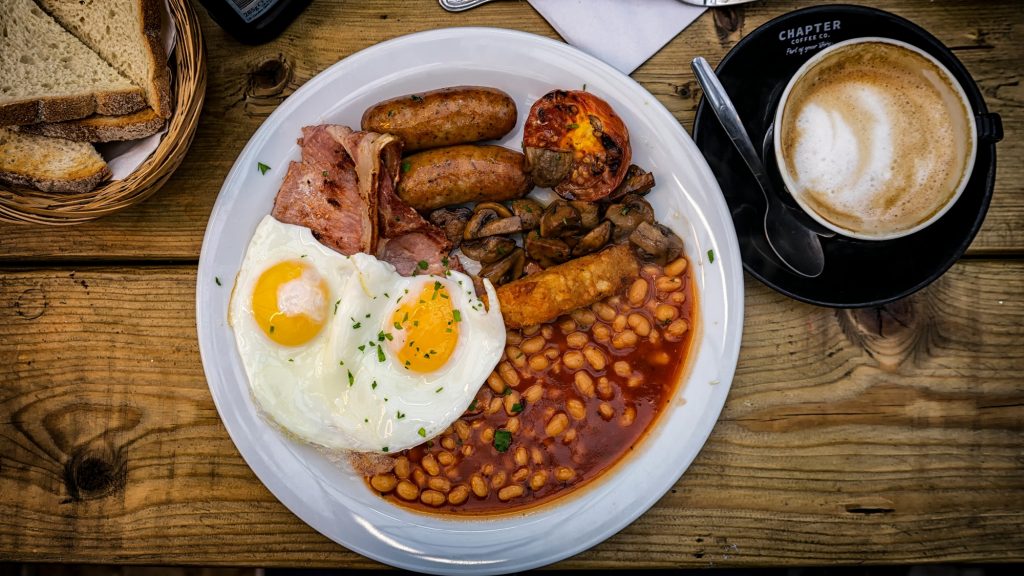
Breakfast is taken seriously in the British Isles. A hotel breakfast here doesn’t mean a buffet with some yogurt, croissants and a bit of muesli. If it is a buffet it will be piled high with sausages, bacon, mushrooms, grilled tomatoes, black pudding, eggs of varying types, and baked beans. Apparently some people don’t think an English breakfast should have baked beans on it; they are wrong.
If you are fortunate enough to stay at a hotel, or a traditional bed and breakfast, where it is cooked to order even better. As well as a full fry-up you might see offers of Eggs Benedict, Kedgeree (an Anglo-indian dish with rice and smoked fish) or even (but more unusual) Devilled Lamb Kidneys.
Eating out of the hotel in the UK and Ireland doesn’t mean you have to miss out on a fry up. There are plenty of cafes around (the old fashioned type are affectionately know as greasy spoons) serving variations of a full English breakfast, or my favourite a bacon butty. Even some of the top restaurants offer a breakfast menu. These can be surprisingly good value for money, with The Wolseley in Mayfair offering a full English breakfast for £24 (which given their afternoon tea is £46 seems like a bargain)
Is a European hotel breakfast worth the money?
If breakfast is important to you then check out the reviews for the hotel and look for what people have said about the breakfast, if it is particularly good you can be sure that someone will have mentioned it (ditto if it is particularly bad). If no-one is talking about the breakfast, the chances are it is unremarkable.
My experience is that it is rare to find a hotel breakfast in a city, in mainland Europe, that is exceptional value for money. If I chose a hotel breakfast it is likely from convenience rather than cost. As I said before, resorts are different and I will almost always have a hotel breakfast if I am in a resort in Europe. My favourite was a hotel we stayed at in Crete which had the most amazing fresh fruit. If all hotels were like that I wouldn’t hesitate.
If you are planning your first trip to Europe then make sure your read How to plan a trip to Europe: the 3 essential first steps

If you need help with planning your trip then check out our services

If you have any questions about travel itineraries in Europe then drop us a line.  We are happy to help.

If you want more tips and ideas for visiting Europe then FOLLOW ME ON INSTAGRAM